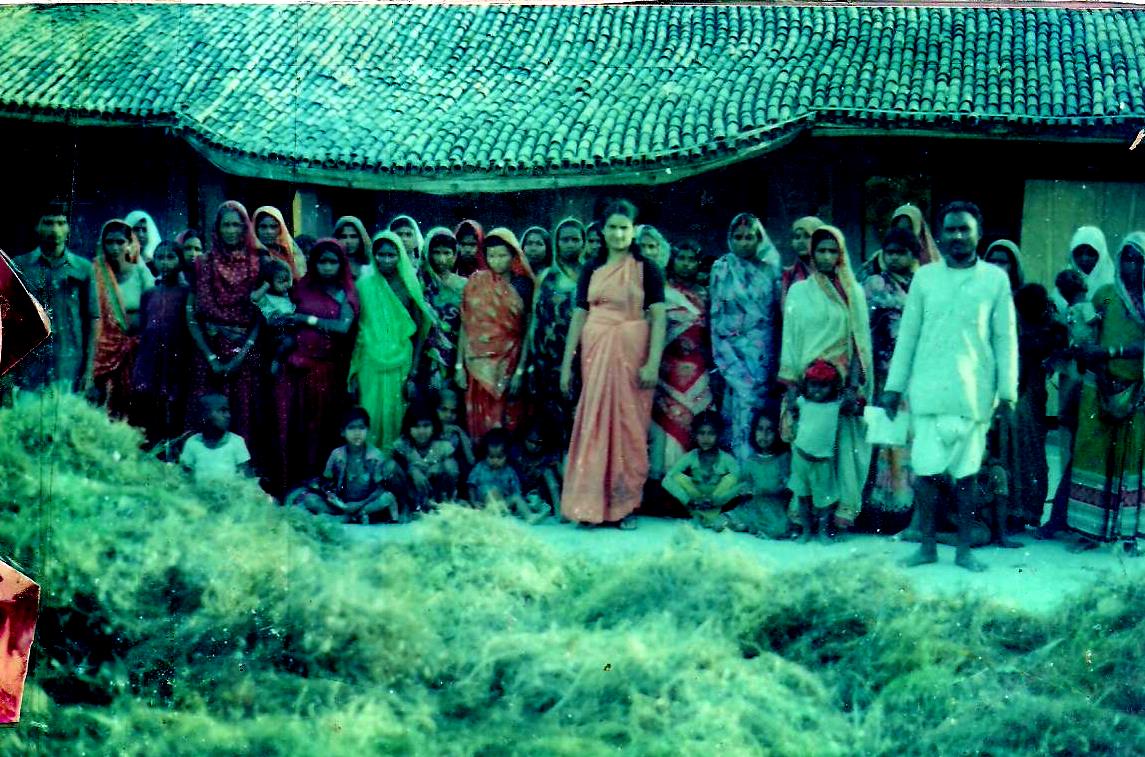
Samuday got registered in 1980. The work of Samuday started with 6 villages and in the course of 10 years it blossomed into 100 villages around the center of the organization, i.e- Rosera (Bihar). This expansion was not abrupt. It was a gradual and natural expansion created by the village worker’s network of Samuday.
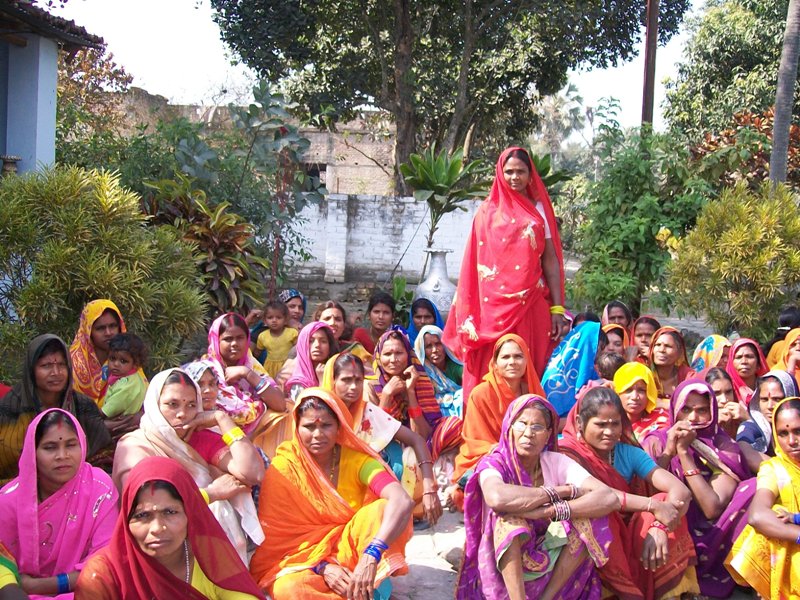
Samuday being a women headed organization so we decided, women have to be the focus of our work.
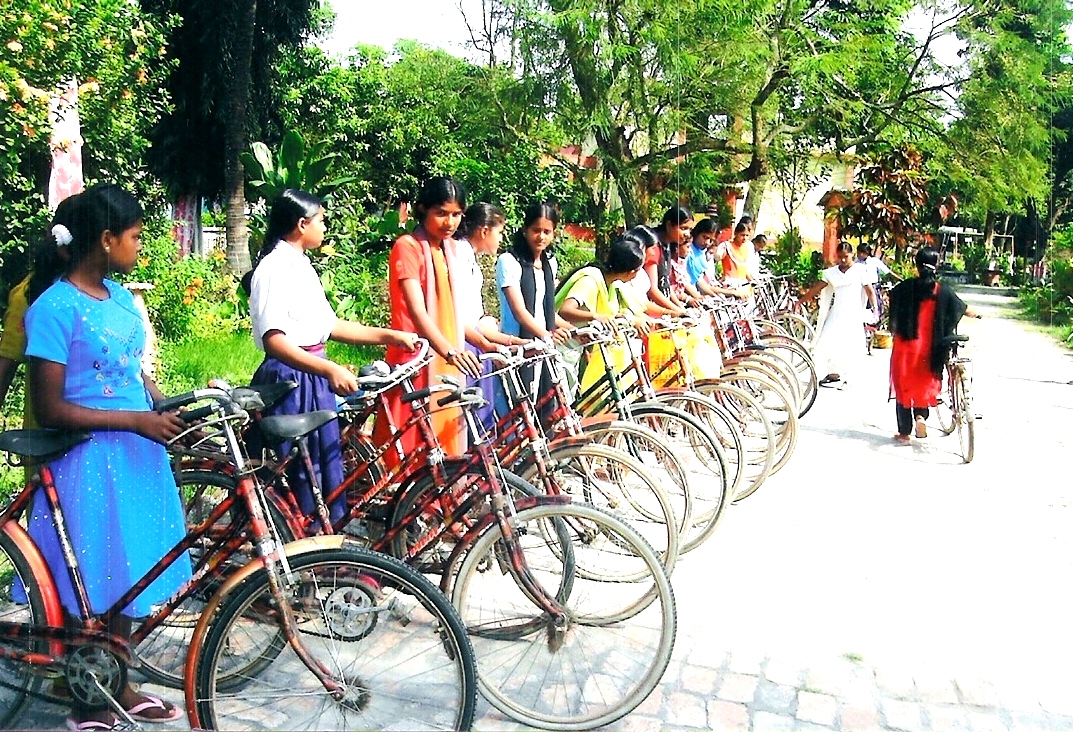
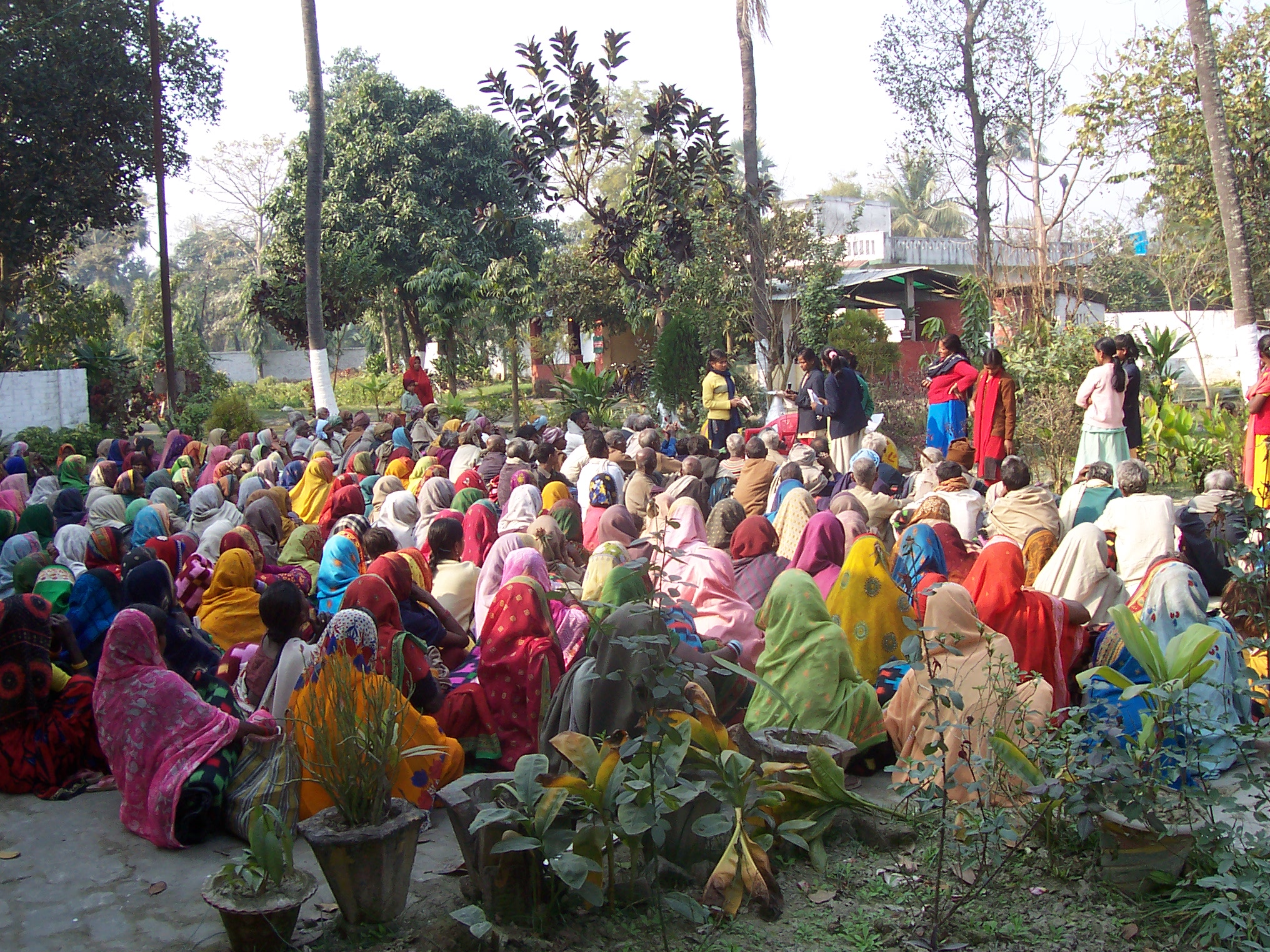
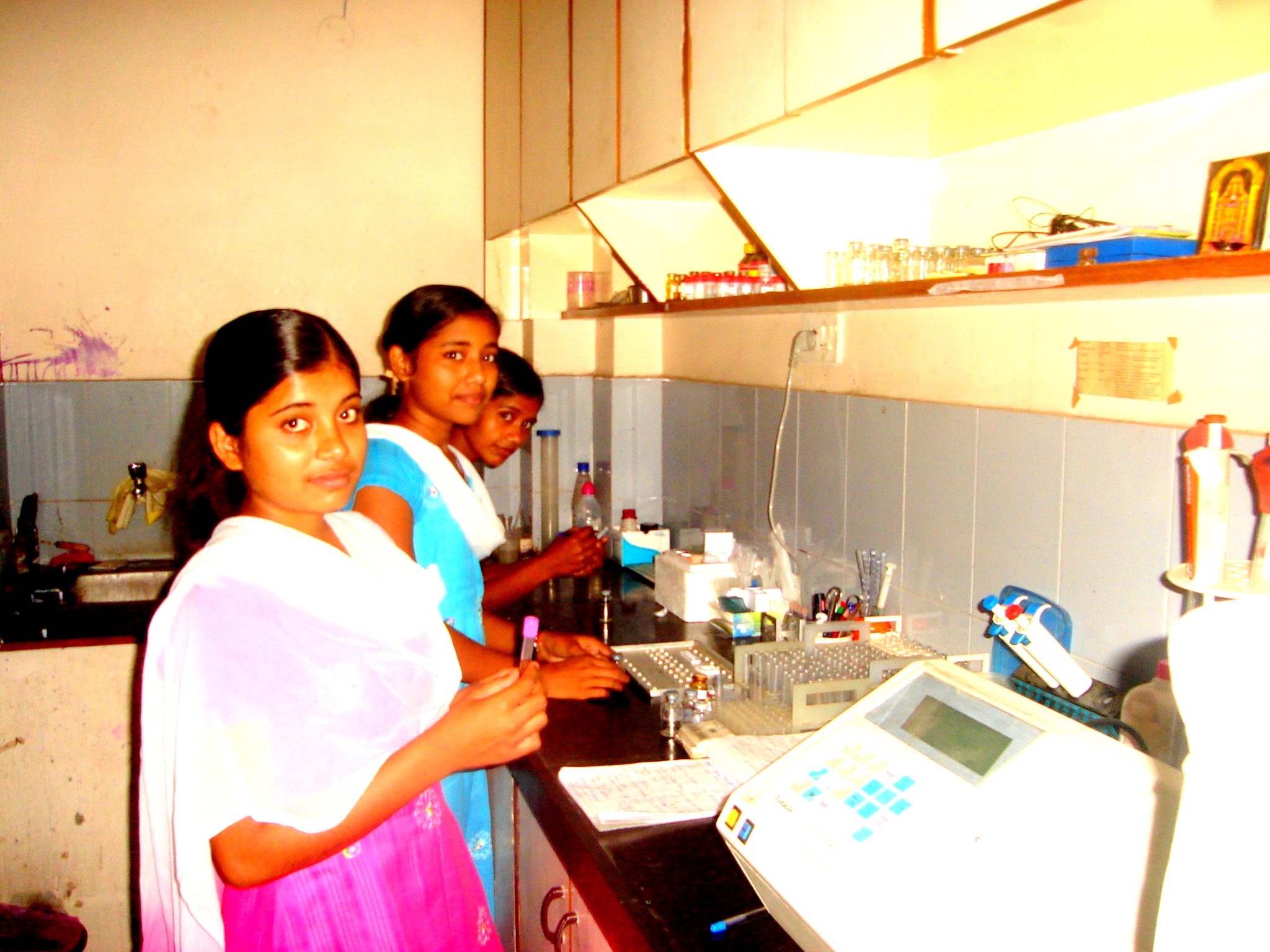
We emphasized first social awakening, then enthusing them to stand on their own feet. The organization till date has been able to train around 500 illiterate Harijan women as health workers and benefited 5000 families. Equipped with the knowledge of health Education and trained for primary treatment of common diseases, they were effectively providing these services in their working areas. They also worked for as making women aware about the connection between poor health and second class social status of women.
A Glimps of our work area – Rusera
The area Rusera where we are working is situated in North Bihar (Dist. Samastipur). There are no industries and the area is totally agrarian and as the distribution of land is unequal and the culture is very much feudal, the exploitation of poor people is very crude. A section of these poor people is Harijan population of the area. The Harijans are socially and economically the most backward people and almost all of them are professionally are landless labourers.
The wage of the Harijan labourers is much less i.e. Rs. 15 to 25 per day. Moreover they get work in the area maximum for 6 to 8 months only depending upon condition of the agriculture. As the area is flood prone the problem of earning ones livelihood becomes more difficult and uncertain.
Since last 10 to 15 years the land labourers began to migrate to Punjab, Delhi, Calcutta or Assam only to earn their livelihood leaving their women folk and children behind. Almost 75% of the active men have to migrate. This migration helps them in earning more money for their families but the condition of their life does not seem to have changed. The feudal exploitation is the main cause of their poverty and due to their migration it increases and remains unchallenged. The women folk in the villages become, more vulnerable to different faces of this feudal exploitation.
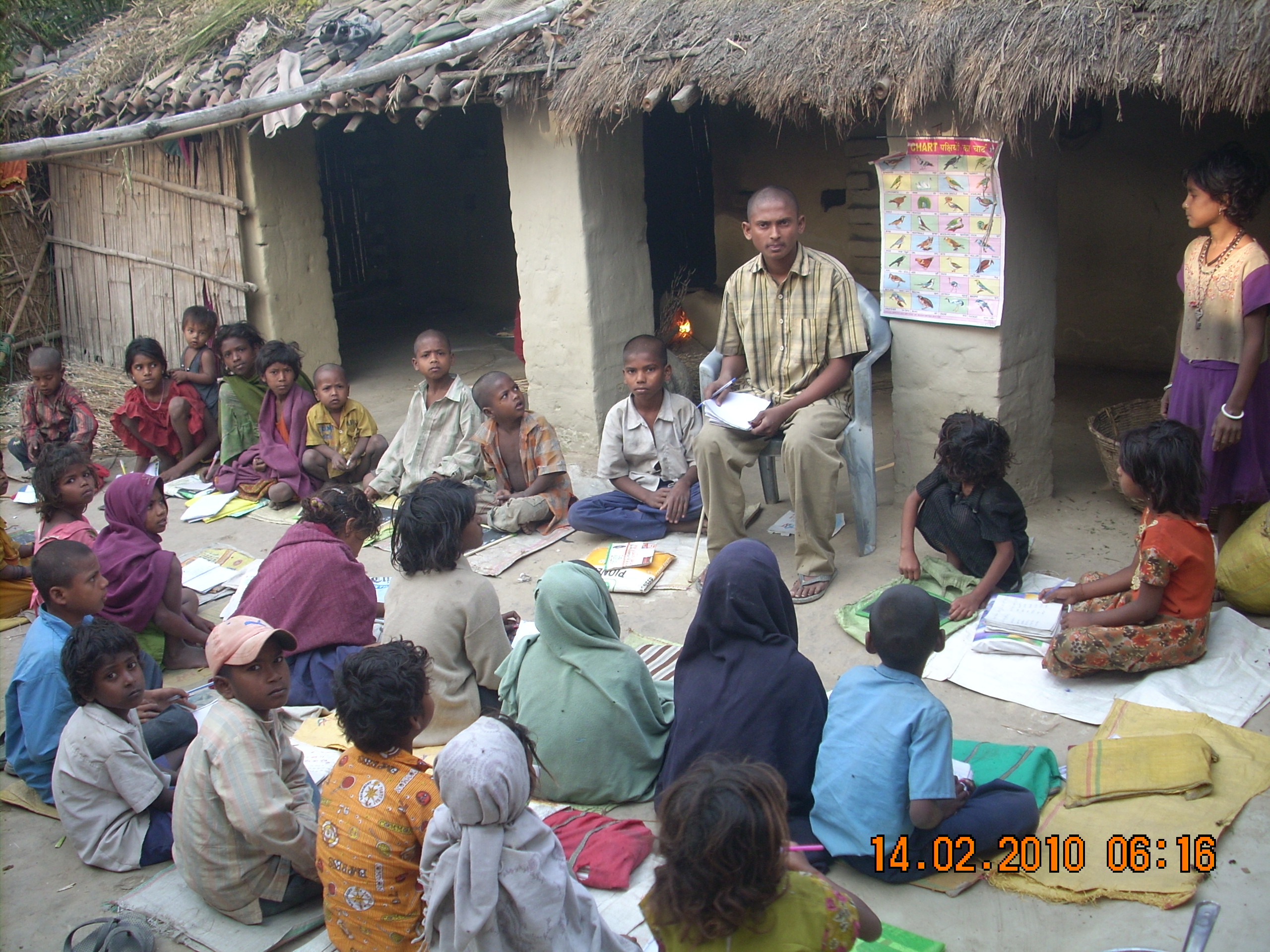
We are working in this area for last ten years, our main target groups are Harijan women and children. Now we are working in about fifty villages. We have trained atleast one women in every village as health worker and are running non-formal education centers for children, particularly girl children in few villages. This was to make village women aware and organized so that they can resist exploitation and make their life better.
MITHILA REGION (in which Rusera is situated)
East of the Gandak Basin almost whole of north Bihar is considered Mithila region, but its central parts are more homogeneous in terms of language and culture of Mithila. In existing demarcation Mithila Region is restricted to the five administrative districts of Madhubani, Darbhanga, Samastipur, Saharsa, and Madhepura, Geographically it is the river basin of Adhwara-group of rivers and Koshi river. Because the country slope one eastern extremity of northern plains is the south west ward, a bowl like topography exists, that is situated around the southern fringe of this central part of north Bihar. This puts the region to a further disadvantage situation as several of the north Bihar Rivers converge here for confluence. As a fall out, this area becomes the centre of the flood-catchments in the whole of north Bihar. Constructions of major barrages and bandhs along some of these rivers have only aggravated the flood-situations. There are large areas in the region which is found submerged under water for the whole calendar year, pushing this agrarian society to great hardships. The region is also dotted with large number of land depressions called ‘Chaurs’ which are permanently waterlogged areas. Rivulets, dead channels of river and marshes are also a typical feature of the region. Though these geographical features provide a kind of immunity from occurrence of drought, but also impose limitations to a bountiful harvest. The area is also typically prone to health-hazards. Another notable feature is the fact that throughout the ages of traditional agriculture it remained attractive for new settlers. As a result, in population it is one of the highest density areas in the whole country.
ROSERA AND THE IMMEDIATE HINTERLAND
Quite in remote of Samastipur district lays Rosera which has been elevated to sub-division status in recent years. Administratively it was only a block earlier and because of being a rail-head, and an important commercial centre in the days of river-borne trade that a small township existed here since the early decades of 19th century.
Historically, once the rail and road communication developed, the volume of trade substantially dwindled pushing the township to a stage of decline though it is one of the oldest municipal towns in Bihar. The total urban area is only 1.05sq. kms. as recorded in 2001-census. Ravages of floods as well as innumerable ditches, nullahs, rivulets, chaurs etc. have also made it somewhat inaccessible. Battered roads and bridges also prevent any faster road-communication.
The most striking feature of the region is its dependence on migrant labour. A large number of young people migrate to take seasonal work or on routine casual works – mostly in northern states, or in other distantly urban and industrial centers. Moreover because of the large scale influx, much of the routine work of poor families is performed by women. Though the remittances sent home by migrants have provided some comfort to their domestic economy, it has also added a lot of tensions and new kind of problems faced by women as singularly running their spouse, or under joint families.